Get more clients
How veterinary practices win more clients: SEO, reviews and AI
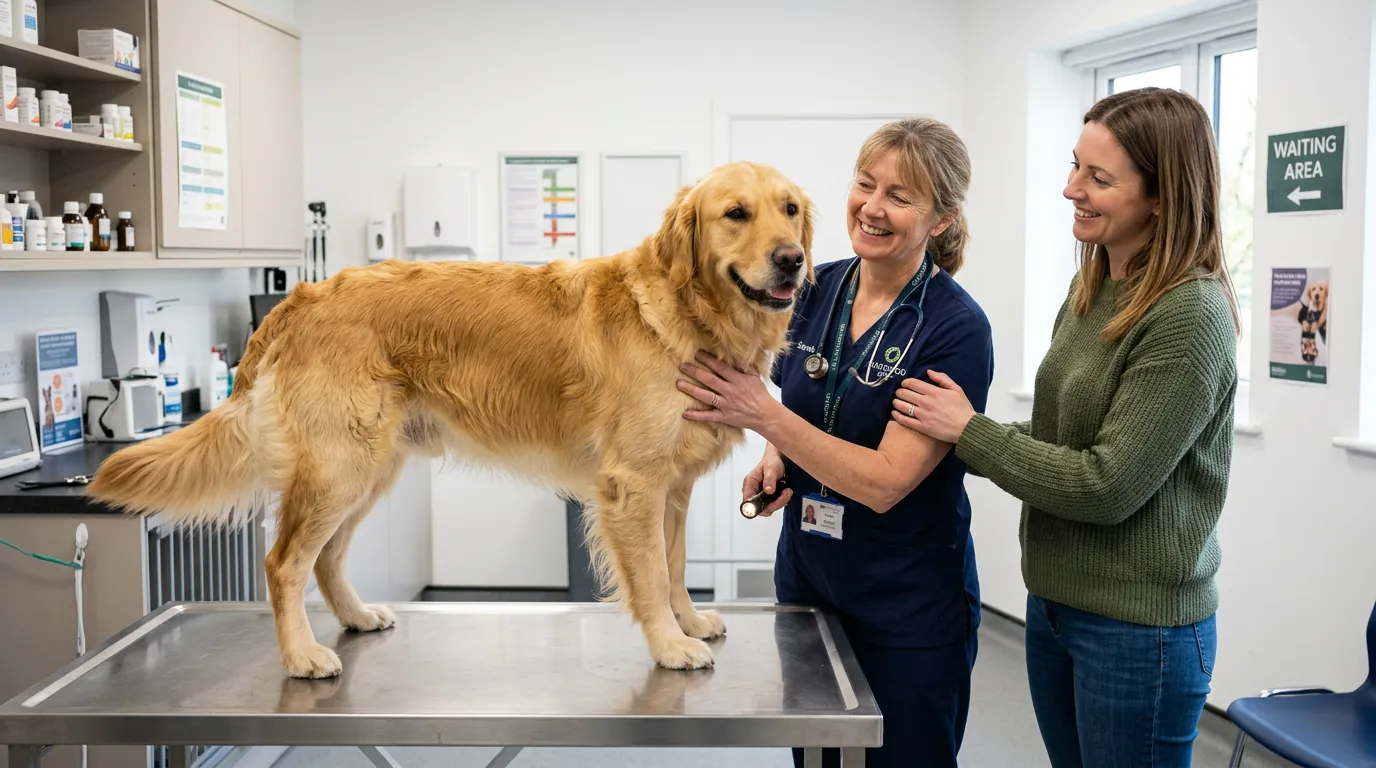
A poorly pet, vaccinations, or a family after a new vet: it nearly all starts with a Google search, and it goes to the practice people trust and can reach. Here is the complete guide to winning more clients, with a calculator for what missed enquiries cost you.
People love their pets, and they choose a vet with real care: they search, read the reviews closely, and register with the practice that feels kind, capable and easy to reach. A new client is not one appointment, it is years of check-ups, vaccinations and treatment for the whole family's pets, so winning them matters. The practices that grow are visible, reassuring and quick to answer. Here is how to be one of them.
Where vet clients actually look now
These days someone looking for a vet starts on Google, not a directory or the high street. Whether they need a sick pet seen, vaccinations, a check-up or a new vet for their pet, they search, read a few reviews and pick the firm that looks professional and gets back to them quickly. If you are not showing up, you are not even on the shortlist, however good you are. Plenty of veterinary practices still lean on referrals alone and never sort this out, which is exactly why getting it right wins you work.
How Google decides which vet to show
For local results Google weighs up three things: relevance (do you match what they searched), distance (how close you are), and prominence (how established and well-reviewed you are). You can nail relevance and prominence, and that is most of what the rest of this guide is about.
Get found on Google (local SEO)
When someone searches for a vet near them, Google shows a map with a few firms pinned at the top, and those get most of the clicks. Getting there is what local SEO does, and it comes down to a handful of signals done properly and kept up.
Finish your Google Business Profile
Your Google Business Profile is the single most important thing for local ranking, and a surprising number of veterinary practices either have not claimed theirs or set it up once and forgot it. Fill in everything: your services, opening hours, the areas you serve and real photos of your practice or office. A complete, active profile beats a half-empty one every time.
Keep your details consistent
Your firm's name, address and phone number need to match exactly across your website, your profile and any professional directories you are listed in. Google reads that consistency as a sign you are an established, trustworthy business, and rewards it with better rankings.
Never miss a new enquiry
Here is the leak most veterinary practices do not see: a new client rings during an appointment, at lunch or after hours, gets voicemail or a busy line, and simply calls the next firm on Google. Your existing clients might leave a message; a brand new one rarely will. Every missed enquiry is a client who booked elsewhere. Drag the sliders to your own numbers.
Calculator: what are missed enquiries costing you?
A new client brings years of appointments for their pets, so a missed enquiry can cost far more than one visit. An AI receptionist answers every one, day or night.
An AI receptionist answers every call in a natural, professional voice and a AI chatbot handles online enquiries, day or night, capturing the details and booking the appointment while you are with a client or out of hours. It is the one change that stops new business slipping away, and it is the gap a marketing agency cannot fill: they can bring the enquiries, but they cannot answer them.
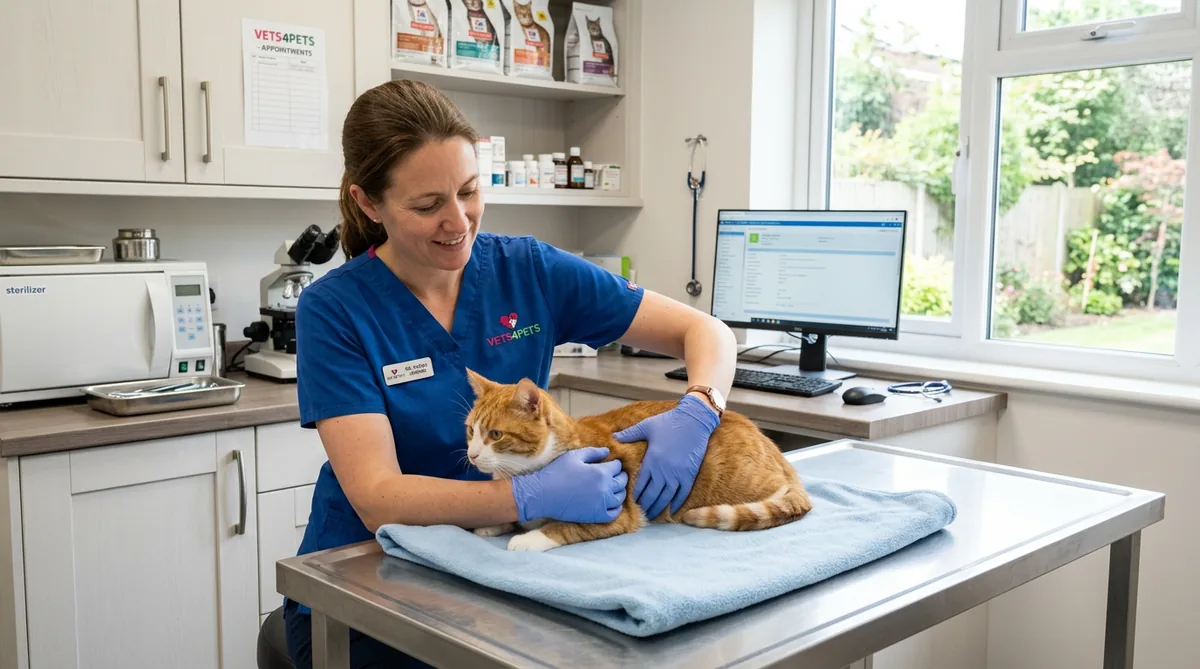
Get Google reviews on autopilot
For a vet, reviews are everything: people are trusting you with their money and their affairs, so they read reviews closely before they pick up the phone. Reviews also push you up Google's rankings, so more people see you in the first place. Survey after survey, including BrightLocal's local consumer review study, shows nearly everyone reads reviews before choosing a local firm. The trouble is remembering to ask, so automating your Google reviews means every happy client gets a polite request at the right moment, and your reputation builds itself.
Have a website that wins trust and books appointments
When someone taps through from Google, they decide in seconds whether you are the sort of vet they can trust. A fast, professional website that loads instantly on a phone, shows your reviews, your credentials and your services, and makes it dead easy to get in touch or book, turns visitors into clients. A dated, slow site does the opposite, quietly sending them to a competitor who looks more the part.
Get the right keywords on your site
Veterinary searches split by need, and each is worth targeting:
- Local, like "vets [town]", "vet near me" or "vets accepting new clients". People pick the practice that feels caring and replies quickly.
- Urgent, like "emergency vet [town]" or "out of hours vet". These go to whoever they can reach right now.
- Specific, like "puppy vaccinations [town]", "cat neutering" or "pet dental [town]". A page each helps you rank for the exact need.
Build your authority (off-page SEO)
Google trusts a firm that other reputable sites vouch for. For veterinary practices that means the professional bodies and directories relevant to your field, being listed accurately and consistently, plus genuine local links: your chamber of commerce, a local sponsorship, a mention in the regional press. Quality and relevance beat quantity every time.
Track what's actually bringing the enquiries
Once new enquiries start coming in, track where from so you invest in what works. Your Google Business Profile shows how many people called, messaged or found directions from your listing, and simply asking every new client "how did you find us?" costs nothing and tells you plenty. If Google is bringing the work, feed it: more reviews, more content, a stronger profile.
Get ahead of the seasons
Veterinary demand has clear peaks: puppy and kitten registrations surge in spring and after Christmas, nervous-pet enquiries climb around fireworks season in autumn, and holiday periods bring boarding and travel paperwork. Being visible and answering through these spikes, especially when other practices are stretched, wins a steady flow of new families.
Do it yourself, or get it done?
Everything in this guide you can do yourself. The real question is whether you have the time, month after month, to set it up and keep it going while actually serving your clients. Most veterinary practices do not, which is the honest reason done-for-you exists. Run the calculator again: for most firms, a couple of missed new-client enquiries a month costs far more than having the whole lot handled.
Putting it together: a simple system
You do not need to become a marketer. Once it is set up, the whole thing runs mostly on its own: every enquiry answered and booked, your Google profile climbing the rankings, every happy client quietly asked for a review, and your website turning visibility into appointments. Each part feeds the next, which is the flywheel the busiest, most-booked veterinary practices are quietly running.
Common mistakes veterinary practices make online
- Relying on referrals alone. They are wonderful, but they do not scale and they cannot be switched on when you need to grow.
- Ignoring Google reviews. For a trust business, not asking is leaving your single best marketing on the table.
- Letting new enquiries go unanswered. A new client who reaches voicemail books with the next firm, and rarely calls back.
- A tired, slow website. On a trust decision, people judge your competence by your site before you speak.
Your first 30 days: a quick-start plan
Week 1
- Claim and finish your Google Business Profile: services, hours, areas and real photos of your practice.
- Make sure no new enquiry goes unanswered, an AI receptionist, or at the very least proper call cover.
Week 2
- Fix your details so your name, address and phone match across the web and your professional listings.
- Switch on automatic review requests so every happy client is asked at the right moment.
Weeks 3 to 4
- Sort the website: fast, professional, reviews and credentials up front, an obvious way to book or enquire.
Ongoing
- Keep the reviews coming, add useful content now and then, and check your profile insights each month.
Let AI do the chasing
Put it all together and the pattern is clear: get found, answer every enquiry, follow up automatically. None of it needs you at a computer of an evening. Done-for-you AI runs the lot, the answering, the getting found, the reviews and the website, so you can focus on your clients and still grow. Want it set up for your firm? BotBud builds and runs it for you, live in days, no contract.
Get more clients: common questions
How do I attract more new clients?
Rank on Google for 'vets [town]', build a wall of caring, recent reviews, and make registering or booking effortless. Pet owners choose on trust and warmth, so make both obvious and answer fast.
How important are reviews for a vet?
Enormously. People are trusting you with a beloved member of the family, so they lean heavily on reviews. A steady flow of genuine five-star reviews is one of the most powerful things a practice can have.
What about missed calls and emergencies?
Costly. A worried owner who cannot get through simply calls the next practice. AI call answering captures every enquiry and flags the urgent ones, so nothing is missed at lunch, after hours or when reception is busy.
How long until I show up on Google?
A few weeks for the basics, and typically two to three months to climb the local rankings as reviews and consistency build.
Do I need a modern website?
Yes. It reassures owners you are caring and capable, lets them register and book easily, and is where your Google listing sends them.
What does it cost to get this done for me?
Done-for-you plans start from a few hundred pounds a month, a fraction of the lifetime value of a single new client and their pets.
Want it all done for you?
BotBud builds and runs the AI that brings in the work. From £450 a month, live in 48 hours, no contract.
Book a free 15 minute demo →