Get more work
How heating engineers win more work: SEO, reviews and AI
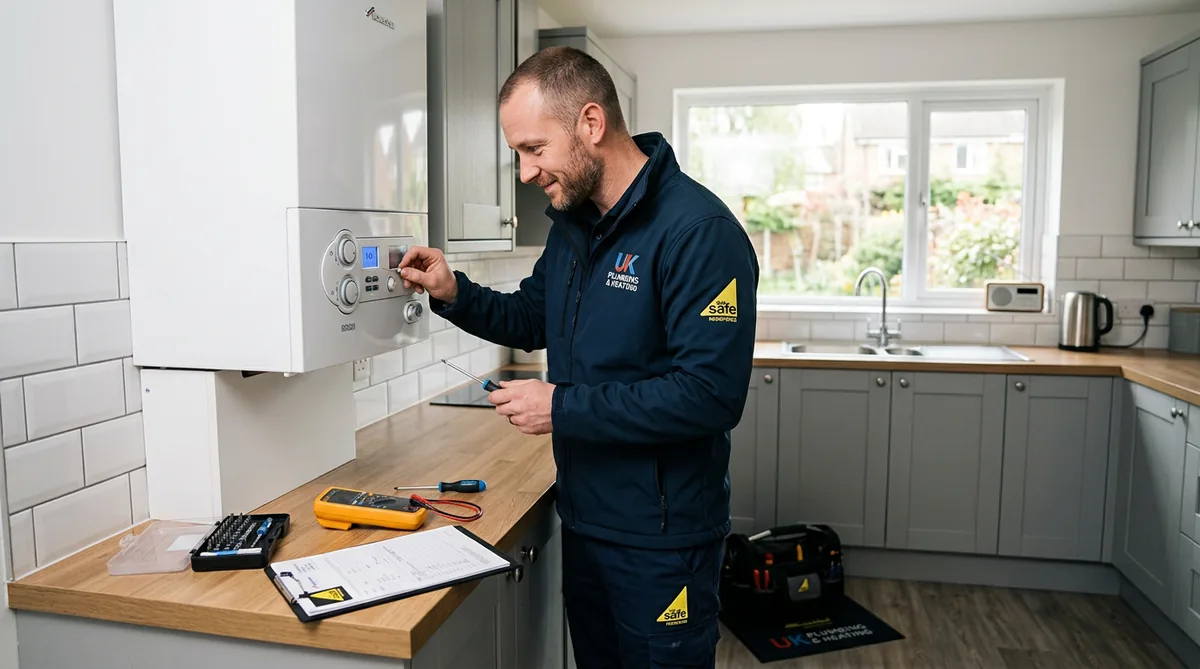
Boiler repairs, installs, servicing, central heating: the work floods in when it is cold and goes to whoever the customer can find and reach first. Here is the complete guide to getting found, getting called and getting booked, with a calculator for what missed calls cost you.
Heating and gas work is a trade of feast and famine: quiet in summer, flat out the moment it turns cold and boilers pack in. When a family's heating goes at the first frost, they search 'boiler repair near me' and call the first Gas Safe engineer who looks trustworthy and picks up. Being that engineer, and being visible before the rush, is the whole game. Here is how.
Where heating engineer customers actually look now
Almost every heating engineer job now starts with a Google search on a phone. People rarely scroll past the first few results, so the fight for work happens in a tiny slice of the screen: the map at the top and the first couple of listings under it. If you're not there, you may as well not exist, however good you are. Most local heating engineers don't understand this, so getting it right puts you ahead of the pack fast.
How Google decides which heating engineer to show
It helps to know what Google is weighing up. For local results it looks at three things: relevance (does your business match what they searched), distance (how close you are to the searcher) and prominence (how established and well-reviewed you are). You can't move your van closer to every customer, but you can nail relevance and prominence, and that's most of what the rest of this guide is about.
Get found on Google Maps (local SEO)
When someone searches for a heating engineer, Google shows a little map with three businesses pinned at the top. That's the "local pack", and it takes the lion's share of the clicks and calls. Getting into it is what local SEO does, and it comes down to a handful of signals done properly and kept up.
Finish your Google Business Profile
Your Google Business Profile is the single most important thing for local ranking, and most heating engineers set one up years ago and never touched it again. Fill in everything: your services, hours, the areas you cover and real photos of your work. Pick the right primary category and add the relevant extras. A complete, active profile beats a half-empty one every time.
Keep your details identical everywhere
Your business name, address and phone number need to match exactly across your website, your profile and any directories you're listed in. These are called citations, and when they're consistent they tell Google you're a real, settled business worth trusting.
Never miss a call (the biggest leak of all)
Here is the hard truth: you cannot answer the phone with your hands full, and most people who reach voicemail just call the next heating engineer. Every missed call is a booked job handed to a competitor. Before you spend on marketing to bring in more, it is worth plugging the ones you already get. Drag the sliders to your own numbers.
Calculator: what are missed calls costing you?
When the cold snap hits the phone does not stop, and the missed calls go straight to the next engineer. An AI receptionist answers every one, day or night.
For most heating engineers that figure is a shock, and it is usually conservative. An AI receptionist answers every call in a natural voice and a AI chatbot replies to every online enquiry, day or night, taking the details and booking the work while you are on the job, driving or asleep. It is the one change that pays for everything else while it is still warming up, and it is the gap a plain SEO agency cannot fill: they can bring the enquiries, but they cannot answer them.
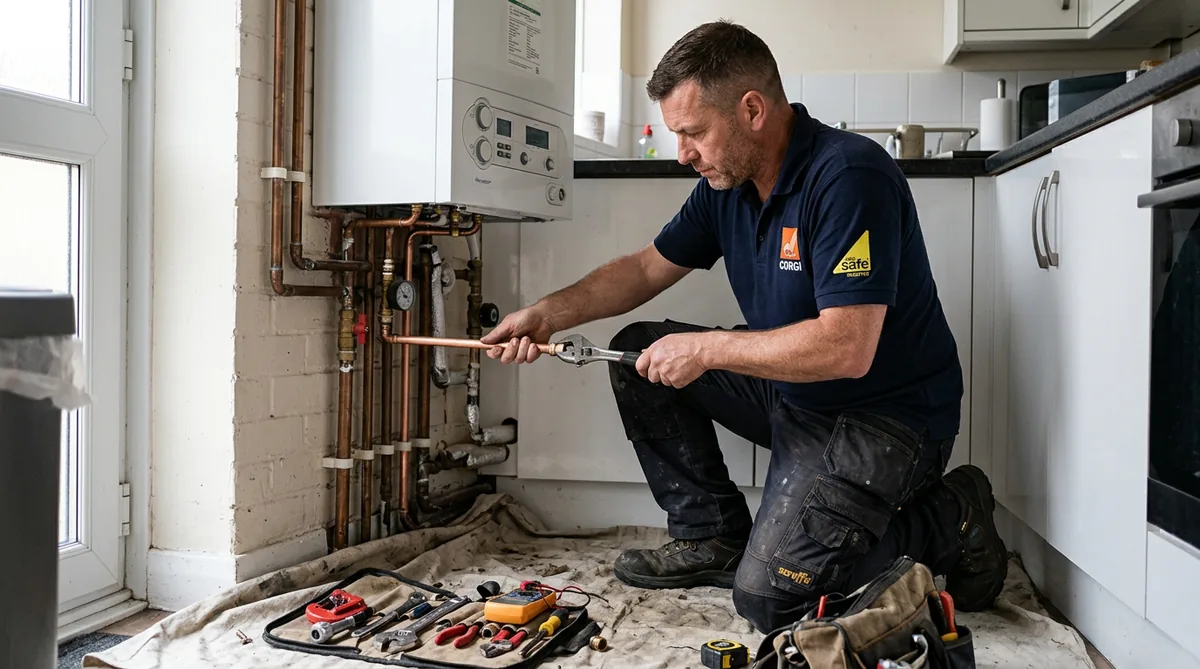
Get Google reviews on autopilot
Reviews do two jobs at once. They convince the next customer to pick you over the heating engineer down the road, and they push you up Google's rankings so more people see you in the first place. Survey after survey, including BrightLocal's annual local consumer review study, shows nearly everyone reads reviews before choosing a local firm. The problem is remembering to ask, so automating your Google reviews means every happy customer gets a friendly request at the right moment, and your star count climbs without you lifting a finger.
Have a website that actually books jobs
When someone taps through from Google, they decide in seconds whether to trust you. A fast, clean website that loads instantly on a phone, shows your reviews and real photos of your work, lists your areas and makes it dead easy to get in touch, turns visitors into booked work. A slow or dated site does the opposite, quietly sending them back to the results and on to someone else.
Get the right keywords on your site
Heating searches split by urgency, and each wants a different answer:
- Emergencies, like "no heating [town]", "boiler repair near me" or "boiler not working". They spike in cold weather and go to whoever answers first.
- Specific jobs, like "new boiler [town]", "boiler installation [town]", "boiler service" or "power flush [town]". A page each helps you show up for the exact job.
- Research, like "how much is a new boiler". A straight answer earns trust while they are comparing quotes.
Get listed and linked (off-page SEO)
Google trusts a business other reputable sites vouch for. For a heating engineer that means trade directories (Checkatrade, TrustATrader, Yell and your council's approved-trader list, with identical details on each), a few genuine local links (sponsoring a local team, a mention in the local paper), and any trade-body listings you qualify for. A handful of real local links beats a pile of spammy ones, which can get you penalised.
Track what's actually bringing the work
Once jobs start coming in, track where from so you spend your time and money on what pays. Your Google Business Profile shows how many people called, messaged or asked for directions straight from the listing, and simply asking every caller "how did you find us?" costs nothing and tells you plenty. If the map is bringing the work, feed it: more reviews, more photos, more area pages.
Get ahead of the seasons
No trade swings with the seasons like heating. Servicing enquiries build in early autumn as people get ready for winter, breakdowns surge with the first cold snap and stay high through the cold months, and installs run year-round but peak when something fails. The engineers who clean up are visible and answering before the cold hits, not scrambling once the phones are already ringing off the hook.
Do it yourself, or get it done?
Everything in this guide you can do yourself. The real question is whether you've got the evenings, week after week, to set it up and keep it going while running the actual business. Most heating engineers don't, which is the honest reason done-for-you exists. Run the calculator again: for most heating engineers, a short spell of missed work costs more than a month of having the whole lot handled.
Putting it together: a simple system
You don't need to become a marketer. Once it's set up, the whole thing runs mostly on its own: every call answered and booked, your Google profile climbing the map, every finished job quietly asking for a review, and your website turning the extra visibility into enquiries. Each part feeds the next, which is the flywheel the busiest heating engineers are running while better ones sit quiet.
Common mistakes heating engineers make online
- Relying on word of mouth alone. It's great, but it doesn't scale and it dries up exactly when you need work most.
- Ignoring Google reviews. Not asking is leaving your best marketing on the table.
- Letting calls and enquiries go unanswered. The single most expensive habit in the trade, as the calculator shows.
- A website that's slow, dated or missing. You're judged on it before you ever speak.
Your first 30 days: a quick-start plan
Week 1
- Claim and finish your Google Business Profile: right category, services, areas, hours and real photos.
- Make sure no call or enquiry goes unanswered, an AI receptionist, or at the very least a proper answering service.
Week 2
- Fix your details across Checkatrade, Yell and the big directories so they all match.
- Switch on automatic review requests so every finished job asks for a review.
Weeks 3 to 4
- Sort the website: fast, mobile, reviews and photos up front, an obvious way to get in touch.
Ongoing
- Keep the reviews coming, post seasonally, and check your profile insights once a month.
Let AI do the chasing
Put it all together and the pattern's clear: get found, answer everything, follow up automatically. None of it needs you sat at a computer of an evening. Done-for-you AI runs the lot, the answering, the getting found, the reviews and the website, so you can stay on the tools and still have a full diary. Want it set up for your business? BotBud builds and runs it for you, live in days, no contract.
Get more work: common questions
How do I get more boiler installs?
Be found for "new boiler [your town]", back it with strong reviews and fast, clear quotes, and show any finance options. Installs are researched and compared, so trust and a quick response win.
How do I handle the winter breakdown rush?
Be visible and answerable before it starts. When the cold snap sends everyone to Google at once, the engineers already ranking and picking up catch the work. AI call answering means no breakdown call is missed even when you are flat out.
How long until I show up on Google Maps?
A few weeks for the basics, usually two to three months to climb into the top three as reviews and consistency build. Sort it before autumn so you are ready for the rush.
Do I need a website as a heating engineer?
Yes, to rank and to convert. People check you are Gas Safe registered and trustworthy before they let you near their boiler, and your Google listing sends them to your site to decide.
How many reviews do I need?
More than your nearest competitor, and kept coming, with recent ones covering the work you want more of, like boiler installs.
What does it cost to get this done for me?
Done-for-you plans start from a few hundred pounds a month for call answering, local SEO, reviews and a website, far less than the winter jobs you lose to a busy line.
Want it all done for you?
BotBud builds and runs the AI that brings in the work. From £450 a month, live in 48 hours, no contract.
Book a free 15 minute demo →